Field note · 18 June 2026
Two languages on the same card
Thai and English comments from one market form should be sorted in the words people used, and only then asked whether they describe the same thing.
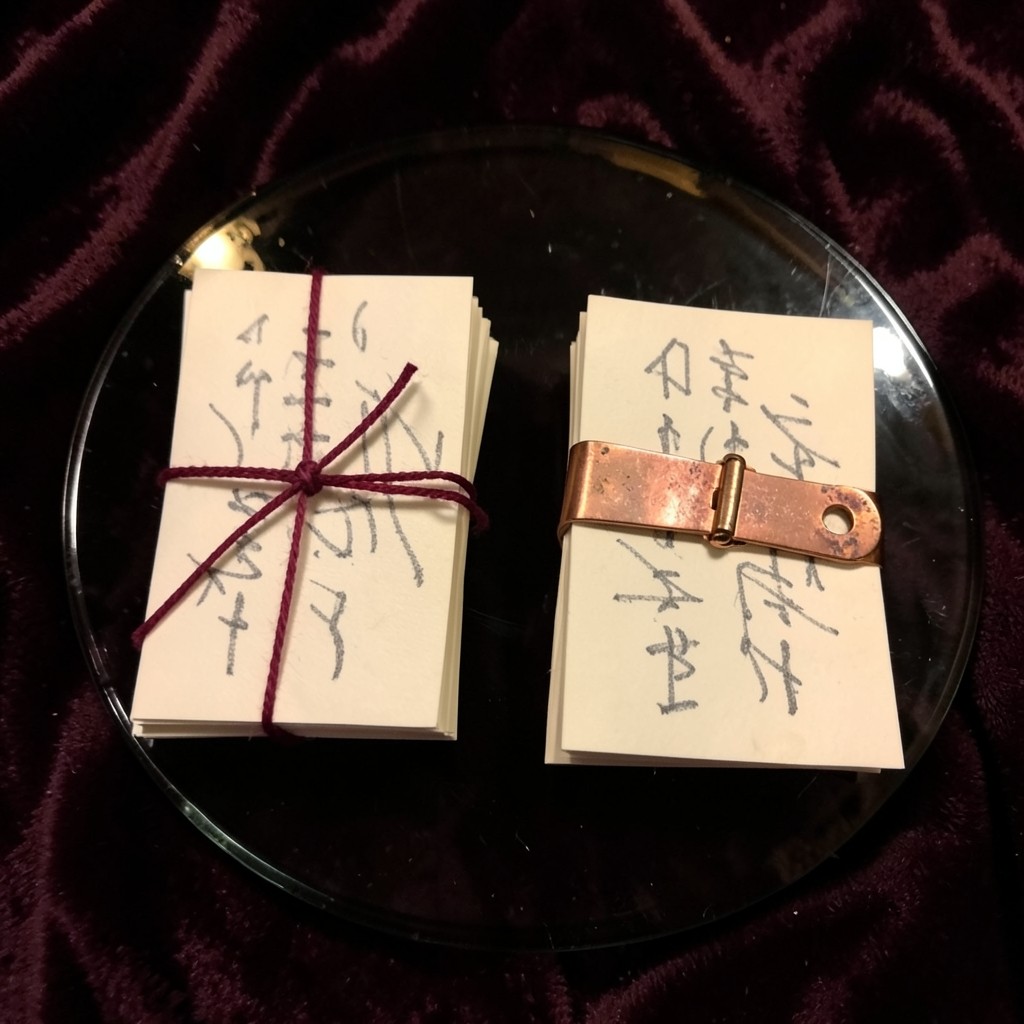
A members' form for a weekend market in Min Buri came back in Thai and in English, sometimes both on a single card. The temptation, especially when a meeting is close, is to translate everything into one language and then sort. We do not start there.
Comments are copied onto cards in the language they arrived in. Themes are named in that language first, by a reader who can sit with both. Only when the piles exist do we ask which Thai pile and which English pile are the same matter in different words. Notes about the price of shade cloth and English lines about "hot aisles" belonged together. A cluster of Thai notes about the morning loudspeaker had no English twin, and we did not invent one to make the plate look balanced.
Translation before sorting flattens the words a person chose. It also hides who answered in which language. At that market the split tracked, roughly, with stallholders who lived nearby and buyers who had come from further off. The folio keeps two columns until a theme truly meets, and a third place for themes that live in one language only. In the sitting, the market committee argued about the loudspeaker for twenty minutes and barely mentioned the heat, which the English cards had treated as the main trouble. Both were real. They were not the same people's real.
If you are about to commission a bilingual form, leave a mark on the card for the language the person preferred to write in, separate from the language you printed first. Do not assume the printed order is the language of the answer. And if a card mixes both, keep the mix. The switch itself is information: a stallholder who begins in Thai and finishes a complaint in English is often writing for a reader they have in mind. We note the switch. We do not sand it off in translation.
A Year-beside-Year Reading becomes unreliable if one year was sorted after translation and the next year was sorted in the original. Tell us which way the earlier pile was handled. We would rather mark the comparison as shaky than pretend the themes were born the same way.